Welcome To
OBT Dental & Orthodontics
Welcome To
OBT Dental & Orthodontics
Brighter smiles,
healthier lives.
General Dentistry, Orthodontics & Specialists located in Orlando, FL
General Dentistry, Orthodontics & Specialists located in Orlando, FL
Modern dental care for
a confident smile.
4.9/5 on Google Reviews (520+ ratings)
4.9/5 on Google Reviews (520+ ratings)
4.9/5 on Google Reviews (520+ ratings)






About OBT Dental & Orthodontics
OBT Dental & Orthodontics was founded on the belief that everyone deserves access to top-quality dental care from providers who are
0
0
Years of dental expertise
0
0
Years of dental expertise
0
0
Years of dental expertise
9,000+
9,000+
Happy patients
9,000+
9,000+
Happy patients
9,000+
9,000+
Happy patients
0
0
Experienced dentists
0
0
Experienced dentists
0
0
Experienced dentists
Services We Offer
Treatments & Conditions
01
Cosmetic Dentistry specialist
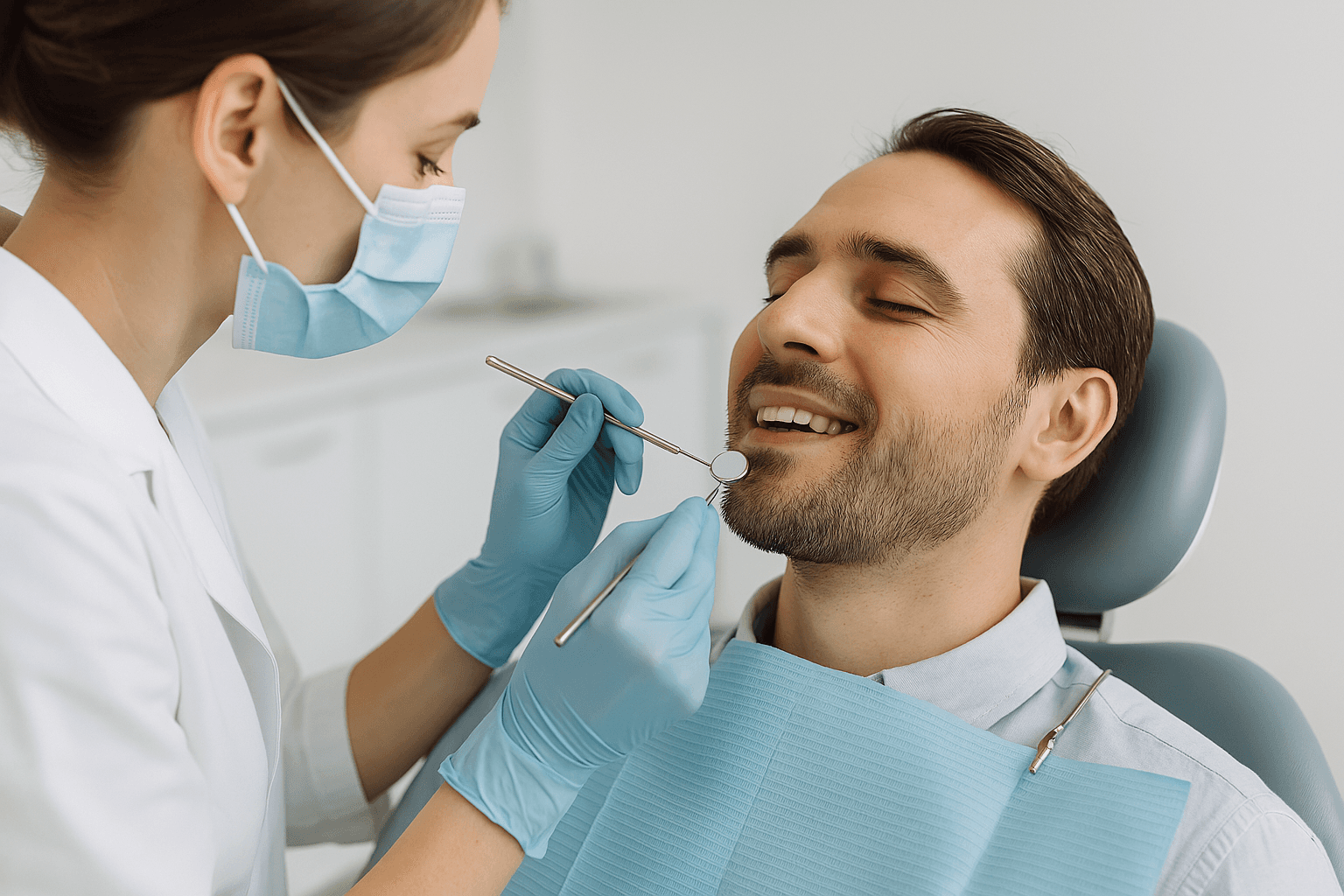
When you feel great about the appearance of your smile, you’re more confident in yourself. Modern cosmetic dentistry offers numerous ways to improve smiles and is an area of specialty for the team of outstanding dentists at OBT Dental & Orthodontics in Orlando, Florida. When you’re ready to explore the possibilities, book a visit online or over the phone today.
— Teeth whitening — Dental bonding — Tooth-colored fillings — Inlays and onlays — Crowns — Bridges — Dental implants — Dental veneers
02
General Dentistry specialist
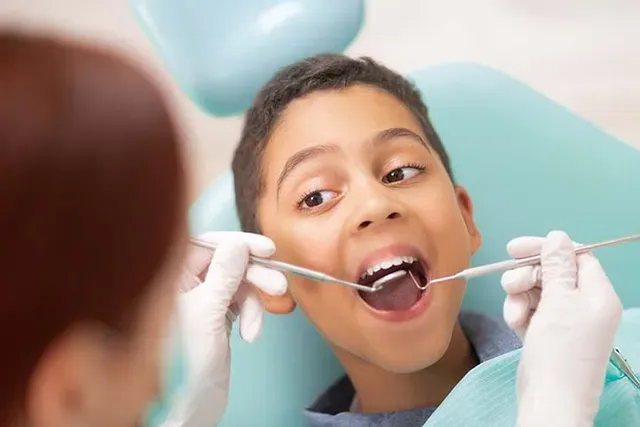
What is general dentistry? General dentistry is an area of dental practice that focuses on addressing all of the normal dental health needs a person experiences as they move through the phases of life. While all dentists receive extensive training in general dentistry, those who choose to specialize in this area of practice go through additional education and hands-on practice. Far too many people only come to see a dentist once a problem develops. This approach fails to take advantage of all that preventive dentistry has to offer. You should see your dentist every six months or so to avoid serious dental decay or gum disease. What kinds of services are available within general dentistry? Preventive dentistry is a central focus within general dentistry. These services include comprehensive dental exams, which give your dentist a chance to check your teeth, gums, and other soft tissues for signs of decay or disease. Preventive care offers the chance to detect issues in the earliest possible stages, when treatment is often most effective. Visits are also an opportunity to ask questions about dental health topics and learn how to take great care of your smile. When decay or disease develops, restorative dental care strives to preserve healthy tooth and gum tissue. Treatments like fillings, crowns and bridges, and dental implants offer a path to a restored smile. If you experience an urgent dental care need, emergency dentistry visits are also available. The team at OBT Dental & Orthodontics also offers cosmetic dentistry services. These treatments focus on helping you reach your most aesthetically-appealing smile. Why is general dentistry so important? Finding a general dentistry practice you feel comfortable with is an essential part of overall dental health. When you work with a skilled dentist, your dental record reflects how your dental health changes over time. This is a powerful tool for crafting treatment plans. Everyone experiences occasional dental health challenges. When you develop a partnership with a dentist you know and trust, you have a resource to turn to when the unexpected arises. This can make an already stressful scenario easier to navigate. If you’d like to explore the benefits of general dentistry in more detail, call OBT Dental & Orthodontics to book a visit, or schedule online in just a matter of moments.
03
Crowns and Bridges specialist
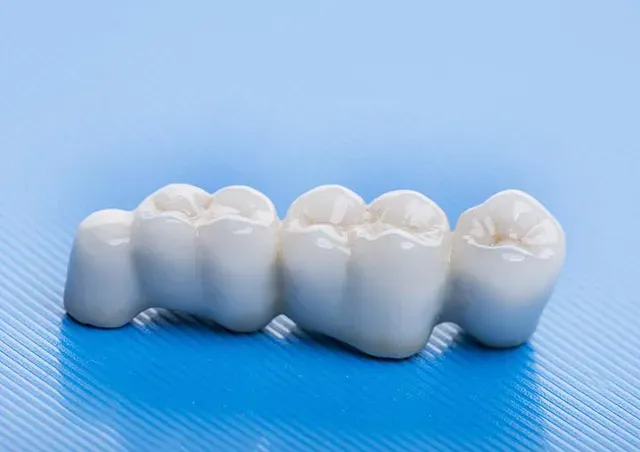
What are crowns and bridges? Crowns and bridges are common dental restorations that work in different ways to correct issues with your smile. Dental crowns Dental crowns replace a portion of your natural tooth tissue but leave the roots of the tooth in place. A crown covers all of the visible surfaces of your natural tooth. Dental bridges Dental bridges replace one or more missing teeth with artificial teeth. The bridge is anchored on each side with a dental crown on the adjacent teeth and affixed permanently in place. Thanks to advancements in dental technology, the artificial materials used in crafting dental crowns and bridges offer an incredibly natural-looking finish. They even have the same minor irregularities and color variations as natural teeth. What kinds of problems can dental crowns correct? Dental crowns are among the most versatile types of dental restorations. They offer both functional and aesthetic benefits. Dental crowns are also the visible portion of dental implants. The artificial teeth used in bridgework are called pontics but are manufactured similarly to crowns. What are the advantages of dental bridges? Dental bridges are a great way to fill a gap in your smile. Because they are held in place by dental crowns, bridges are considered to be permanent restorations. Bridgework can make your smile more attractive and helps restore normal speech patterns. Replacing missing teeth also helps stabilize your bite, giving your remaining natural teeth the support needed to stay in place. Bridges are more secure than partial dentures and won’t slip or shift in your mouth. They do cost a bit more than dentures but less than dental implants, which are permanent. However, even the best dental bridges eventually need to be repaired or replaced, so it’s important to factor those costs in when making a decision. The best way to learn more about crowns and bridges is to book a one-on-one consultation at OBT Dental & Orthodontics. You can schedule your visit online any time of day or call to speak with a friendly member of the administrative staff during normal business hours.
— To protect a worn-down tooth — To cover a cracked or chipped tooth — To improve discoloration that can’t be corrected with teeth whitening — To cover a root canal restoration — To correct irregularities in the size or shape of teeth
04
Dental Implants specialist
Why is it so important to replace missing teeth? Most people only think about the aesthetic implications of missing teeth, but serious dental health issues should also be considered. Each of your teeth anchors directly into the underlying bone. When you bite down or chew, you stimulate that bone tissue, keeping it healthy and strong. Losing one or more teeth means losing that stimulation. Your bone tissue begins to wear away, a process known as resorption. This can weaken the connection between adjacent teeth and bone, eventually causing additional tooth loss. A gap in your smile can also limit your ability to enjoy a wide range of foods, which can lead to nutritional deficiencies. You might also find it difficult to speak normally. What are dental implants? Dental implants offer the chance to permanently replace one or more of your missing teeth. Because implants anchor into your jawbone, they preserve your bone health, a benefit not available with traditional dentures or bridges. Individual dental implants consist of a metal post that replaces the root portion of your natural tooth and an artificial crown that replaces the visible portions of your tooth. Some systems use a small piece called an abutment that connects the post and crown. If you need to replace all of your upper or lower teeth, a system like All-on-4® secures an entire span of artificial teeth using just four implanted posts. This option is an amazing alternative to a full set of dentures. What are the steps involved in getting dental implants? The planning stage is one of the most important parts of the process. Intraoral scanning gathers information about your teeth and bone tissue, and then an advanced software system creates a customized implant treatment plan. On the day of your procedure, an injection of numbing medication keeps you comfortable as your dentist creates an incision in your gums. A small pilot hole guides the post placement into your jawbone, and then your dentist closes your gum tissue around the post. After a period of healing, you return to have the crown attached to the post, which has now fused with your bone tissue. The result is a permanent restoration that looks and functions like your natural teeth. If you’d like to learn more about dental implants, call OBT Dental & Orthodontics or book a visit online today.
— Single dental implants — Implant-supported bridges — Implant-supported dentures — All-on-4 implants — Implant crowns — Prosthetic teeth adjustments

05
Orthodontics specialist
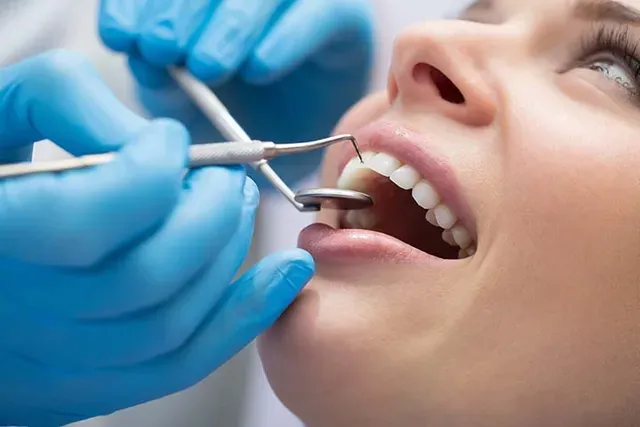
What is orthodontics? Orthodontics is an area of dental specialty focused on improving the alignment of your teeth. Orthodontics creates a straighter smile by creating gentle pressure that slowly moves your teeth into enhanced positioning. Many people think of orthodontics as only an aesthetic concern. But when you have crowded teeth, overlapping teeth, or large gaps between your teeth, your overall dental health often suffers. A straighter smile is a healthier smile, which is why the team at OBT Dental & Orthodontics offers a range of outstanding treatment options. What kinds of orthodontics are available? You have two main options for orthodontic care: traditional metal braces or tray-based alignment systems. Traditional metal braces This treatment approach uses small metal brackets affixed to each tooth and connected by a treatment wire. Metal braces are very versatile and can correct a wide range of alignment issues. Additional components like hooks and elastics provide even more ways to shift teeth into better alignment. Tray-based alignment systems Systems like Invisalign® use clear plastic trays to create the pressure necessary to improve alignment. You wear your trays around the clock and switch to a new set every couple of weeks to keep your progress moving forward. There are pros and cons to each option. Some patients love the ability to straighten their smile with aligners without the metallic gleam of metal braces. Others look forward to braces as something of a teenage rite of passage. How long will my orthodontic treatment take? Your treatment plan depends on numerous factors, beginning with your specific alignment issues. During your initial consultation, your dentist provides an overview of your expected treatment timeline. It’s important to understand how your actions factor into your treatment timeline. If you miss appointments or fail to have broken metal bracket components repaired promptly, your treatment will take longer. If you wear aligners, treatment progress requires strict adherence to your dentist’s guidelines. Wearing your aligners around the clock is the only way to maintain the gentle pressure necessary to move your teeth into proper alignment. If you have additional questions or concerns about orthodontic treatments, call OBT Dental & Orthodontics today. Online booking is also an option and takes just moments to complete.
— Traditional metal braces — Tray-based alignment systems
06
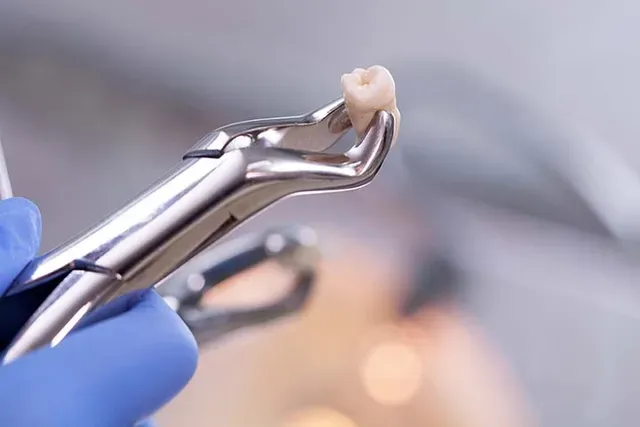
Extractions specialist
What are tooth extractions? Tooth extractions are dental procedures that remove one or more of your natural teeth. While the team at OBT Dental & Orthodontics prefers to restore teeth, extractions are sometimes necessary. There is no need to feel anxious at the thought of an extraction. Modern dental extractions are painless and take very little time. Your dentist uses advanced digital imaging and other tools to determine when extractions are the best course of action and discuss all available treatment options in detail, providing everything you need to make an informed decision about your care. When are tooth extractions necessary? There are many reasons why you might need to have one or more teeth pulled. Your dentist always explains the full scope of treatment options to help you determine the right choice for your unique set of needs. If your wisdom teeth are partially or fully trapped beneath your gum tissue, you might need a special type of extraction to remove them. These procedures are usually done with some level of sedation to help you relax deeply throughout the process. What happens during my tooth extraction? Your dentist begins with an injection of local anesthetic to ensure you won’t feel a thing during your visit. They then use special dental tools to grasp the targeted tooth and rock it in a back-and-forth motion, loosening the connection between tooth and bone. In some cases, it might be necessary to break the tooth into smaller parts to make it easier to remove. Again, you won’t feel any pain during the procedure, and the entire process is relatively swift. After your extraction, your dentist uses gauze to protect the empty socket. It’s important to avoid smoking, drinking through straws, or anything else that creates suction near the socket. Your body forms a small blood clot within the socket to enhance the healing process, and suction can dislodge that clot. When you’re ready to schedule an extraction, booking a visit is quick and easy whether you choose to connect with OBT Dental & Orthodontics online or by phone.
To reduce crowding and make room for orthodontic treatment To remove a badly decayed tooth To remove a fractured tooth To treat advanced gum disease To prepare for a dental implant
07
Emergency Dentistry specialist
What is emergency dentistry? Emergency dentistry is an area of dental practice focused on addressing acute care needs. These are dental issues that develop quickly, often with little advance warning. One way to think about whether your dental issue is a good fit for an emergency dental visit is to consider whether you can comfortably wait to see your dentist during a regularly scheduled visit. If the answer is “no,” then emergency dentistry is likely the best approach. There is no need to suffer through pain or other troubling symptoms when you can receive care from providers you know and trust in a setting you’re already familiar with. What should I do if I experience a knocked-out tooth? Knowing how to react to a knocked-out tooth can make the difference between saving or losing that tooth. You only have a short window of time to save a knocked-out tooth, so it’s important to act quickly. Begin by picking the tooth up carefully, avoiding touching the root portion. Your tooth roots are covered in living cells that must be preserved for successful reimplantation. If necessary, gently rinse away dirt or debris with a slow stream of clean water. If possible, place the tooth back in its socket and bite down gently on a piece of clean gauze. You can also place the tooth in the space between your cheek and gums. Placing the tooth in a small container and covering it with room-temperature milk is also an option. Call OBT Dental & Orthodontics right away to see if you can come in for a same-day emergency dental visit. Online booking is always an option for less urgent scheduling needs.
Severe dental pain Lost crown or filling Infected, painful gums Abscess Broken or cracked tooth Object lodged in gums or between teeth Lacerations to the tongue or other soft oral tissues Knocked-out (avulsed) tooth

08
Dental Cleaning specialist
Why do I need a dental cleaning? Even if you brush and floss your teeth regularly, it can still be hard to reach some places in your mouth. Professional dental cleanings at OBT Dental & Orthodontics can help ensure your whole mouth is free of plaque and tartar buildup, bacteria that can cause tooth decay and gum disease. Teeth cleanings also allow your dentist to monitor the health of your teeth and gums. What happens during a dental cleaning? Dental cleanings can take less than an hour to complete. During that time, your hygienist at OBT Dental & Orthodontics will examine your teeth for any signs of plaque (sticky film that coats your teeth) and tartar (hardened plaque) in the tiny crevices of your teeth and gumline. Your hygienist uses special instruments to remove the plaque and tartar buildup. Then, they use a high-powered electric toothbrush to clean your teeth thoroughly. After brushing, they floss your teeth, and in some cases, they apply fluoride treatment to prevent cavities and strengthen your teeth. How often do I need to come in for a dental cleaning? OBT Dental & Orthodontics recommends coming into the office for a professional cleaning twice a year. This schedule ensures your dentist can check for dental issues, prevent cavities, and maintain your oral health as you age. Certain orthodontic treatments, such as having traditional metal braces, may make cleaning your teeth more difficult. For this reason, you may need more frequent dental cleanings. How should I take care of my teeth in between dental cleanings? Taking good care of your oral hygiene at home is just as important as visiting your dentist for dental cleanings.
Brushing and flossing at least twice a day Rinsing after cleaning your teeth and after meals Eating a healthy, balanced diet Don’t chew on hard objects, such as ice or pen caps Don’t use your teeth as tools for opening packages Limiting foods and beverages that stain your teeth, like coffee, red wine, and curry

01
Cosmetic Dentistry specialist
When you feel great about the appearance of your smile, you’re more confident in yourself. Modern cosmetic dentistry offers numerous ways to improve smiles and is an area of specialty for the team of outstanding dentists at OBT Dental & Orthodontics in Orlando, Florida. When you’re ready to explore the possibilities, book a visit online or over the phone today.
— Teeth whitening — Dental bonding — Tooth-colored fillings — Inlays and onlays — Crowns — Bridges — Dental implants — Dental veneers
02
General Dentistry specialist
What is general dentistry? General dentistry is an area of dental practice that focuses on addressing all of the normal dental health needs a person experiences as they move through the phases of life. While all dentists receive extensive training in general dentistry, those who choose to specialize in this area of practice go through additional education and hands-on practice. Far too many people only come to see a dentist once a problem develops. This approach fails to take advantage of all that preventive dentistry has to offer. You should see your dentist every six months or so to avoid serious dental decay or gum disease. What kinds of services are available within general dentistry? Preventive dentistry is a central focus within general dentistry. These services include comprehensive dental exams, which give your dentist a chance to check your teeth, gums, and other soft tissues for signs of decay or disease. Preventive care offers the chance to detect issues in the earliest possible stages, when treatment is often most effective. Visits are also an opportunity to ask questions about dental health topics and learn how to take great care of your smile. When decay or disease develops, restorative dental care strives to preserve healthy tooth and gum tissue. Treatments like fillings, crowns and bridges, and dental implants offer a path to a restored smile. If you experience an urgent dental care need, emergency dentistry visits are also available. The team at OBT Dental & Orthodontics also offers cosmetic dentistry services. These treatments focus on helping you reach your most aesthetically-appealing smile. Why is general dentistry so important? Finding a general dentistry practice you feel comfortable with is an essential part of overall dental health. When you work with a skilled dentist, your dental record reflects how your dental health changes over time. This is a powerful tool for crafting treatment plans. Everyone experiences occasional dental health challenges. When you develop a partnership with a dentist you know and trust, you have a resource to turn to when the unexpected arises. This can make an already stressful scenario easier to navigate. If you’d like to explore the benefits of general dentistry in more detail, call OBT Dental & Orthodontics to book a visit, or schedule online in just a matter of moments.
03
Crowns and Bridges specialist
What are crowns and bridges? Crowns and bridges are common dental restorations that work in different ways to correct issues with your smile. Dental crowns Dental crowns replace a portion of your natural tooth tissue but leave the roots of the tooth in place. A crown covers all of the visible surfaces of your natural tooth. Dental bridges Dental bridges replace one or more missing teeth with artificial teeth. The bridge is anchored on each side with a dental crown on the adjacent teeth and affixed permanently in place. Thanks to advancements in dental technology, the artificial materials used in crafting dental crowns and bridges offer an incredibly natural-looking finish. They even have the same minor irregularities and color variations as natural teeth. What kinds of problems can dental crowns correct? Dental crowns are among the most versatile types of dental restorations. They offer both functional and aesthetic benefits. Dental crowns are also the visible portion of dental implants. The artificial teeth used in bridgework are called pontics but are manufactured similarly to crowns. What are the advantages of dental bridges? Dental bridges are a great way to fill a gap in your smile. Because they are held in place by dental crowns, bridges are considered to be permanent restorations. Bridgework can make your smile more attractive and helps restore normal speech patterns. Replacing missing teeth also helps stabilize your bite, giving your remaining natural teeth the support needed to stay in place. Bridges are more secure than partial dentures and won’t slip or shift in your mouth. They do cost a bit more than dentures but less than dental implants, which are permanent. However, even the best dental bridges eventually need to be repaired or replaced, so it’s important to factor those costs in when making a decision. The best way to learn more about crowns and bridges is to book a one-on-one consultation at OBT Dental & Orthodontics. You can schedule your visit online any time of day or call to speak with a friendly member of the administrative staff during normal business hours.
— To protect a worn-down tooth — To cover a cracked or chipped tooth — To improve discoloration that can’t be corrected with teeth whitening — To cover a root canal restoration — To correct irregularities in the size or shape of teeth
04
Dental Implants specialist
Why is it so important to replace missing teeth? Most people only think about the aesthetic implications of missing teeth, but serious dental health issues should also be considered. Each of your teeth anchors directly into the underlying bone. When you bite down or chew, you stimulate that bone tissue, keeping it healthy and strong. Losing one or more teeth means losing that stimulation. Your bone tissue begins to wear away, a process known as resorption. This can weaken the connection between adjacent teeth and bone, eventually causing additional tooth loss. A gap in your smile can also limit your ability to enjoy a wide range of foods, which can lead to nutritional deficiencies. You might also find it difficult to speak normally. What are dental implants? Dental implants offer the chance to permanently replace one or more of your missing teeth. Because implants anchor into your jawbone, they preserve your bone health, a benefit not available with traditional dentures or bridges. Individual dental implants consist of a metal post that replaces the root portion of your natural tooth and an artificial crown that replaces the visible portions of your tooth. Some systems use a small piece called an abutment that connects the post and crown. If you need to replace all of your upper or lower teeth, a system like All-on-4® secures an entire span of artificial teeth using just four implanted posts. This option is an amazing alternative to a full set of dentures. What are the steps involved in getting dental implants? The planning stage is one of the most important parts of the process. Intraoral scanning gathers information about your teeth and bone tissue, and then an advanced software system creates a customized implant treatment plan. On the day of your procedure, an injection of numbing medication keeps you comfortable as your dentist creates an incision in your gums. A small pilot hole guides the post placement into your jawbone, and then your dentist closes your gum tissue around the post. After a period of healing, you return to have the crown attached to the post, which has now fused with your bone tissue. The result is a permanent restoration that looks and functions like your natural teeth. If you’d like to learn more about dental implants, call OBT Dental & Orthodontics or book a visit online today.
— Single dental implants — Implant-supported bridges — Implant-supported dentures — All-on-4 implants — Implant crowns — Prosthetic teeth adjustments
05
Orthodontics specialist
What is orthodontics? Orthodontics is an area of dental specialty focused on improving the alignment of your teeth. Orthodontics creates a straighter smile by creating gentle pressure that slowly moves your teeth into enhanced positioning. Many people think of orthodontics as only an aesthetic concern. But when you have crowded teeth, overlapping teeth, or large gaps between your teeth, your overall dental health often suffers. A straighter smile is a healthier smile, which is why the team at OBT Dental & Orthodontics offers a range of outstanding treatment options. What kinds of orthodontics are available? You have two main options for orthodontic care: traditional metal braces or tray-based alignment systems. Traditional metal braces This treatment approach uses small metal brackets affixed to each tooth and connected by a treatment wire. Metal braces are very versatile and can correct a wide range of alignment issues. Additional components like hooks and elastics provide even more ways to shift teeth into better alignment. Tray-based alignment systems Systems like Invisalign® use clear plastic trays to create the pressure necessary to improve alignment. You wear your trays around the clock and switch to a new set every couple of weeks to keep your progress moving forward. There are pros and cons to each option. Some patients love the ability to straighten their smile with aligners without the metallic gleam of metal braces. Others look forward to braces as something of a teenage rite of passage. How long will my orthodontic treatment take? Your treatment plan depends on numerous factors, beginning with your specific alignment issues. During your initial consultation, your dentist provides an overview of your expected treatment timeline. It’s important to understand how your actions factor into your treatment timeline. If you miss appointments or fail to have broken metal bracket components repaired promptly, your treatment will take longer. If you wear aligners, treatment progress requires strict adherence to your dentist’s guidelines. Wearing your aligners around the clock is the only way to maintain the gentle pressure necessary to move your teeth into proper alignment. If you have additional questions or concerns about orthodontic treatments, call OBT Dental & Orthodontics today. Online booking is also an option and takes just moments to complete.
— Traditional metal braces — Tray-based alignment systems
06
Extractions specialist
What are tooth extractions? Tooth extractions are dental procedures that remove one or more of your natural teeth. While the team at OBT Dental & Orthodontics prefers to restore teeth, extractions are sometimes necessary. There is no need to feel anxious at the thought of an extraction. Modern dental extractions are painless and take very little time. Your dentist uses advanced digital imaging and other tools to determine when extractions are the best course of action and discuss all available treatment options in detail, providing everything you need to make an informed decision about your care. When are tooth extractions necessary? There are many reasons why you might need to have one or more teeth pulled. Your dentist always explains the full scope of treatment options to help you determine the right choice for your unique set of needs. If your wisdom teeth are partially or fully trapped beneath your gum tissue, you might need a special type of extraction to remove them. These procedures are usually done with some level of sedation to help you relax deeply throughout the process. What happens during my tooth extraction? Your dentist begins with an injection of local anesthetic to ensure you won’t feel a thing during your visit. They then use special dental tools to grasp the targeted tooth and rock it in a back-and-forth motion, loosening the connection between tooth and bone. In some cases, it might be necessary to break the tooth into smaller parts to make it easier to remove. Again, you won’t feel any pain during the procedure, and the entire process is relatively swift. After your extraction, your dentist uses gauze to protect the empty socket. It’s important to avoid smoking, drinking through straws, or anything else that creates suction near the socket. Your body forms a small blood clot within the socket to enhance the healing process, and suction can dislodge that clot. When you’re ready to schedule an extraction, booking a visit is quick and easy whether you choose to connect with OBT Dental & Orthodontics online or by phone.
To reduce crowding and make room for orthodontic treatment To remove a badly decayed tooth To remove a fractured tooth To treat advanced gum disease To prepare for a dental implant
07
Emergency Dentistry specialist
What is emergency dentistry? Emergency dentistry is an area of dental practice focused on addressing acute care needs. These are dental issues that develop quickly, often with little advance warning. One way to think about whether your dental issue is a good fit for an emergency dental visit is to consider whether you can comfortably wait to see your dentist during a regularly scheduled visit. If the answer is “no,” then emergency dentistry is likely the best approach. There is no need to suffer through pain or other troubling symptoms when you can receive care from providers you know and trust in a setting you’re already familiar with. What should I do if I experience a knocked-out tooth? Knowing how to react to a knocked-out tooth can make the difference between saving or losing that tooth. You only have a short window of time to save a knocked-out tooth, so it’s important to act quickly. Begin by picking the tooth up carefully, avoiding touching the root portion. Your tooth roots are covered in living cells that must be preserved for successful reimplantation. If necessary, gently rinse away dirt or debris with a slow stream of clean water. If possible, place the tooth back in its socket and bite down gently on a piece of clean gauze. You can also place the tooth in the space between your cheek and gums. Placing the tooth in a small container and covering it with room-temperature milk is also an option. Call OBT Dental & Orthodontics right away to see if you can come in for a same-day emergency dental visit. Online booking is always an option for less urgent scheduling needs.
Severe dental pain Lost crown or filling Infected, painful gums Abscess Broken or cracked tooth Object lodged in gums or between teeth Lacerations to the tongue or other soft oral tissues Knocked-out (avulsed) tooth
08
Dental Cleaning specialist
Why do I need a dental cleaning? Even if you brush and floss your teeth regularly, it can still be hard to reach some places in your mouth. Professional dental cleanings at OBT Dental & Orthodontics can help ensure your whole mouth is free of plaque and tartar buildup, bacteria that can cause tooth decay and gum disease. Teeth cleanings also allow your dentist to monitor the health of your teeth and gums. What happens during a dental cleaning? Dental cleanings can take less than an hour to complete. During that time, your hygienist at OBT Dental & Orthodontics will examine your teeth for any signs of plaque (sticky film that coats your teeth) and tartar (hardened plaque) in the tiny crevices of your teeth and gumline. Your hygienist uses special instruments to remove the plaque and tartar buildup. Then, they use a high-powered electric toothbrush to clean your teeth thoroughly. After brushing, they floss your teeth, and in some cases, they apply fluoride treatment to prevent cavities and strengthen your teeth. How often do I need to come in for a dental cleaning? OBT Dental & Orthodontics recommends coming into the office for a professional cleaning twice a year. This schedule ensures your dentist can check for dental issues, prevent cavities, and maintain your oral health as you age. Certain orthodontic treatments, such as having traditional metal braces, may make cleaning your teeth more difficult. For this reason, you may need more frequent dental cleanings. How should I take care of my teeth in between dental cleanings? Taking good care of your oral hygiene at home is just as important as visiting your dentist for dental cleanings.
Brushing and flossing at least twice a day Rinsing after cleaning your teeth and after meals Eating a healthy, balanced diet Don’t chew on hard objects, such as ice or pen caps Don’t use your teeth as tools for opening packages Limiting foods and beverages that stain your teeth, like coffee, red wine, and curry
01
Cosmetic Dentistry specialist
When you feel great about the appearance of your smile, you’re more confident in yourself. Modern cosmetic dentistry offers numerous ways to improve smiles and is an area of specialty for the team of outstanding dentists at OBT Dental & Orthodontics in Orlando, Florida. When you’re ready to explore the possibilities, book a visit online or over the phone today.
— Teeth whitening — Dental bonding — Tooth-colored fillings — Inlays and onlays — Crowns — Bridges — Dental implants — Dental veneers
02
General Dentistry specialist
What is general dentistry? General dentistry is an area of dental practice that focuses on addressing all of the normal dental health needs a person experiences as they move through the phases of life. While all dentists receive extensive training in general dentistry, those who choose to specialize in this area of practice go through additional education and hands-on practice. Far too many people only come to see a dentist once a problem develops. This approach fails to take advantage of all that preventive dentistry has to offer. You should see your dentist every six months or so to avoid serious dental decay or gum disease. What kinds of services are available within general dentistry? Preventive dentistry is a central focus within general dentistry. These services include comprehensive dental exams, which give your dentist a chance to check your teeth, gums, and other soft tissues for signs of decay or disease. Preventive care offers the chance to detect issues in the earliest possible stages, when treatment is often most effective. Visits are also an opportunity to ask questions about dental health topics and learn how to take great care of your smile. When decay or disease develops, restorative dental care strives to preserve healthy tooth and gum tissue. Treatments like fillings, crowns and bridges, and dental implants offer a path to a restored smile. If you experience an urgent dental care need, emergency dentistry visits are also available. The team at OBT Dental & Orthodontics also offers cosmetic dentistry services. These treatments focus on helping you reach your most aesthetically-appealing smile. Why is general dentistry so important? Finding a general dentistry practice you feel comfortable with is an essential part of overall dental health. When you work with a skilled dentist, your dental record reflects how your dental health changes over time. This is a powerful tool for crafting treatment plans. Everyone experiences occasional dental health challenges. When you develop a partnership with a dentist you know and trust, you have a resource to turn to when the unexpected arises. This can make an already stressful scenario easier to navigate. If you’d like to explore the benefits of general dentistry in more detail, call OBT Dental & Orthodontics to book a visit, or schedule online in just a matter of moments.
03
Crowns and Bridges specialist
What are crowns and bridges? Crowns and bridges are common dental restorations that work in different ways to correct issues with your smile. Dental crowns Dental crowns replace a portion of your natural tooth tissue but leave the roots of the tooth in place. A crown covers all of the visible surfaces of your natural tooth. Dental bridges Dental bridges replace one or more missing teeth with artificial teeth. The bridge is anchored on each side with a dental crown on the adjacent teeth and affixed permanently in place. Thanks to advancements in dental technology, the artificial materials used in crafting dental crowns and bridges offer an incredibly natural-looking finish. They even have the same minor irregularities and color variations as natural teeth. What kinds of problems can dental crowns correct? Dental crowns are among the most versatile types of dental restorations. They offer both functional and aesthetic benefits. Dental crowns are also the visible portion of dental implants. The artificial teeth used in bridgework are called pontics but are manufactured similarly to crowns. What are the advantages of dental bridges? Dental bridges are a great way to fill a gap in your smile. Because they are held in place by dental crowns, bridges are considered to be permanent restorations. Bridgework can make your smile more attractive and helps restore normal speech patterns. Replacing missing teeth also helps stabilize your bite, giving your remaining natural teeth the support needed to stay in place. Bridges are more secure than partial dentures and won’t slip or shift in your mouth. They do cost a bit more than dentures but less than dental implants, which are permanent. However, even the best dental bridges eventually need to be repaired or replaced, so it’s important to factor those costs in when making a decision. The best way to learn more about crowns and bridges is to book a one-on-one consultation at OBT Dental & Orthodontics. You can schedule your visit online any time of day or call to speak with a friendly member of the administrative staff during normal business hours.
— To protect a worn-down tooth — To cover a cracked or chipped tooth — To improve discoloration that can’t be corrected with teeth whitening — To cover a root canal restoration — To correct irregularities in the size or shape of teeth
04
Dental Implants specialist
Why is it so important to replace missing teeth? Most people only think about the aesthetic implications of missing teeth, but serious dental health issues should also be considered. Each of your teeth anchors directly into the underlying bone. When you bite down or chew, you stimulate that bone tissue, keeping it healthy and strong. Losing one or more teeth means losing that stimulation. Your bone tissue begins to wear away, a process known as resorption. This can weaken the connection between adjacent teeth and bone, eventually causing additional tooth loss. A gap in your smile can also limit your ability to enjoy a wide range of foods, which can lead to nutritional deficiencies. You might also find it difficult to speak normally. What are dental implants? Dental implants offer the chance to permanently replace one or more of your missing teeth. Because implants anchor into your jawbone, they preserve your bone health, a benefit not available with traditional dentures or bridges. Individual dental implants consist of a metal post that replaces the root portion of your natural tooth and an artificial crown that replaces the visible portions of your tooth. Some systems use a small piece called an abutment that connects the post and crown. If you need to replace all of your upper or lower teeth, a system like All-on-4® secures an entire span of artificial teeth using just four implanted posts. This option is an amazing alternative to a full set of dentures. What are the steps involved in getting dental implants? The planning stage is one of the most important parts of the process. Intraoral scanning gathers information about your teeth and bone tissue, and then an advanced software system creates a customized implant treatment plan. On the day of your procedure, an injection of numbing medication keeps you comfortable as your dentist creates an incision in your gums. A small pilot hole guides the post placement into your jawbone, and then your dentist closes your gum tissue around the post. After a period of healing, you return to have the crown attached to the post, which has now fused with your bone tissue. The result is a permanent restoration that looks and functions like your natural teeth. If you’d like to learn more about dental implants, call OBT Dental & Orthodontics or book a visit online today.
— Single dental implants — Implant-supported bridges — Implant-supported dentures — All-on-4 implants — Implant crowns — Prosthetic teeth adjustments
05
Orthodontics specialist
What is orthodontics? Orthodontics is an area of dental specialty focused on improving the alignment of your teeth. Orthodontics creates a straighter smile by creating gentle pressure that slowly moves your teeth into enhanced positioning. Many people think of orthodontics as only an aesthetic concern. But when you have crowded teeth, overlapping teeth, or large gaps between your teeth, your overall dental health often suffers. A straighter smile is a healthier smile, which is why the team at OBT Dental & Orthodontics offers a range of outstanding treatment options. What kinds of orthodontics are available? You have two main options for orthodontic care: traditional metal braces or tray-based alignment systems. Traditional metal braces This treatment approach uses small metal brackets affixed to each tooth and connected by a treatment wire. Metal braces are very versatile and can correct a wide range of alignment issues. Additional components like hooks and elastics provide even more ways to shift teeth into better alignment. Tray-based alignment systems Systems like Invisalign® use clear plastic trays to create the pressure necessary to improve alignment. You wear your trays around the clock and switch to a new set every couple of weeks to keep your progress moving forward. There are pros and cons to each option. Some patients love the ability to straighten their smile with aligners without the metallic gleam of metal braces. Others look forward to braces as something of a teenage rite of passage. How long will my orthodontic treatment take? Your treatment plan depends on numerous factors, beginning with your specific alignment issues. During your initial consultation, your dentist provides an overview of your expected treatment timeline. It’s important to understand how your actions factor into your treatment timeline. If you miss appointments or fail to have broken metal bracket components repaired promptly, your treatment will take longer. If you wear aligners, treatment progress requires strict adherence to your dentist’s guidelines. Wearing your aligners around the clock is the only way to maintain the gentle pressure necessary to move your teeth into proper alignment. If you have additional questions or concerns about orthodontic treatments, call OBT Dental & Orthodontics today. Online booking is also an option and takes just moments to complete.
— Traditional metal braces — Tray-based alignment systems
06
Extractions specialist
What are tooth extractions? Tooth extractions are dental procedures that remove one or more of your natural teeth. While the team at OBT Dental & Orthodontics prefers to restore teeth, extractions are sometimes necessary. There is no need to feel anxious at the thought of an extraction. Modern dental extractions are painless and take very little time. Your dentist uses advanced digital imaging and other tools to determine when extractions are the best course of action and discuss all available treatment options in detail, providing everything you need to make an informed decision about your care. When are tooth extractions necessary? There are many reasons why you might need to have one or more teeth pulled. Your dentist always explains the full scope of treatment options to help you determine the right choice for your unique set of needs. If your wisdom teeth are partially or fully trapped beneath your gum tissue, you might need a special type of extraction to remove them. These procedures are usually done with some level of sedation to help you relax deeply throughout the process. What happens during my tooth extraction? Your dentist begins with an injection of local anesthetic to ensure you won’t feel a thing during your visit. They then use special dental tools to grasp the targeted tooth and rock it in a back-and-forth motion, loosening the connection between tooth and bone. In some cases, it might be necessary to break the tooth into smaller parts to make it easier to remove. Again, you won’t feel any pain during the procedure, and the entire process is relatively swift. After your extraction, your dentist uses gauze to protect the empty socket. It’s important to avoid smoking, drinking through straws, or anything else that creates suction near the socket. Your body forms a small blood clot within the socket to enhance the healing process, and suction can dislodge that clot. When you’re ready to schedule an extraction, booking a visit is quick and easy whether you choose to connect with OBT Dental & Orthodontics online or by phone.
To reduce crowding and make room for orthodontic treatment To remove a badly decayed tooth To remove a fractured tooth To treat advanced gum disease To prepare for a dental implant
07
Emergency Dentistry specialist
What is emergency dentistry? Emergency dentistry is an area of dental practice focused on addressing acute care needs. These are dental issues that develop quickly, often with little advance warning. One way to think about whether your dental issue is a good fit for an emergency dental visit is to consider whether you can comfortably wait to see your dentist during a regularly scheduled visit. If the answer is “no,” then emergency dentistry is likely the best approach. There is no need to suffer through pain or other troubling symptoms when you can receive care from providers you know and trust in a setting you’re already familiar with. What should I do if I experience a knocked-out tooth? Knowing how to react to a knocked-out tooth can make the difference between saving or losing that tooth. You only have a short window of time to save a knocked-out tooth, so it’s important to act quickly. Begin by picking the tooth up carefully, avoiding touching the root portion. Your tooth roots are covered in living cells that must be preserved for successful reimplantation. If necessary, gently rinse away dirt or debris with a slow stream of clean water. If possible, place the tooth back in its socket and bite down gently on a piece of clean gauze. You can also place the tooth in the space between your cheek and gums. Placing the tooth in a small container and covering it with room-temperature milk is also an option. Call OBT Dental & Orthodontics right away to see if you can come in for a same-day emergency dental visit. Online booking is always an option for less urgent scheduling needs.
Severe dental pain Lost crown or filling Infected, painful gums Abscess Broken or cracked tooth Object lodged in gums or between teeth Lacerations to the tongue or other soft oral tissues Knocked-out (avulsed) tooth
08
Dental Cleaning specialist
Why do I need a dental cleaning? Even if you brush and floss your teeth regularly, it can still be hard to reach some places in your mouth. Professional dental cleanings at OBT Dental & Orthodontics can help ensure your whole mouth is free of plaque and tartar buildup, bacteria that can cause tooth decay and gum disease. Teeth cleanings also allow your dentist to monitor the health of your teeth and gums. What happens during a dental cleaning? Dental cleanings can take less than an hour to complete. During that time, your hygienist at OBT Dental & Orthodontics will examine your teeth for any signs of plaque (sticky film that coats your teeth) and tartar (hardened plaque) in the tiny crevices of your teeth and gumline. Your hygienist uses special instruments to remove the plaque and tartar buildup. Then, they use a high-powered electric toothbrush to clean your teeth thoroughly. After brushing, they floss your teeth, and in some cases, they apply fluoride treatment to prevent cavities and strengthen your teeth. How often do I need to come in for a dental cleaning? OBT Dental & Orthodontics recommends coming into the office for a professional cleaning twice a year. This schedule ensures your dentist can check for dental issues, prevent cavities, and maintain your oral health as you age. Certain orthodontic treatments, such as having traditional metal braces, may make cleaning your teeth more difficult. For this reason, you may need more frequent dental cleanings. How should I take care of my teeth in between dental cleanings? Taking good care of your oral hygiene at home is just as important as visiting your dentist for dental cleanings.
Brushing and flossing at least twice a day Rinsing after cleaning your teeth and after meals Eating a healthy, balanced diet Don’t chew on hard objects, such as ice or pen caps Don’t use your teeth as tools for opening packages Limiting foods and beverages that stain your teeth, like coffee, red wine, and curry
Finding Your Ideal Payment Option

CareCredit offers Special Financing and low monthly payment options, no up-front costs, and no-prepayment penalties so you can show off those pearly whites as soon you’re ready.
CareCredit offers Special Financing and low monthly payment options, no up-front costs, and no-prepayment penalties so you can show off those pearly whites as soon you’re ready.
CareCredit offers Special Financing and low monthly payment options, no up-front costs, and no-prepayment penalties so you can show off those pearly whites as soon you’re ready.

Lending Club uses technology to operate a credit marketplace at a lower cost than traditional bank loan programs, passing the savings on to borrowers in the form of lower rates and to investors in the form of solid returns
Lending Club uses technology to operate a credit marketplace at a lower cost than traditional bank loan programs, passing the savings on to borrowers in the form of lower rates and to investors in the form of solid returns
Lending Club uses technology to operate a credit marketplace at a lower cost than traditional bank loan programs, passing the savings on to borrowers in the form of lower rates and to investors in the form of solid returns

Welcome to our Star Dental Loyalty Plan, our mission is to help you receive the dental care you need while saving your money. We keep the highest standard of care and provide you with the ultimate in-patient care.
Welcome to our Star Dental Loyalty Plan, our mission is to help you receive the dental care you need while saving your money. We keep the highest standard of care and provide you with the ultimate in-patient care.
Welcome to our Star Dental Loyalty Plan, our mission is to help you receive the dental care you need while saving your money. We keep the highest standard of care and provide you with the ultimate in-patient care.
Meet Our Providers

Dr. Elaine Carr
Orthodontist
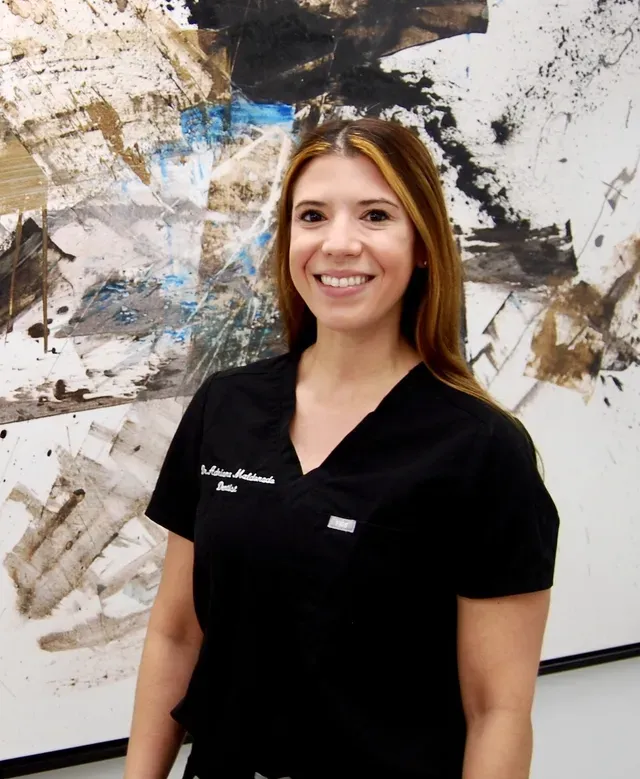
Dr. Adriana Maldonado
General and Cosmetic Dentist
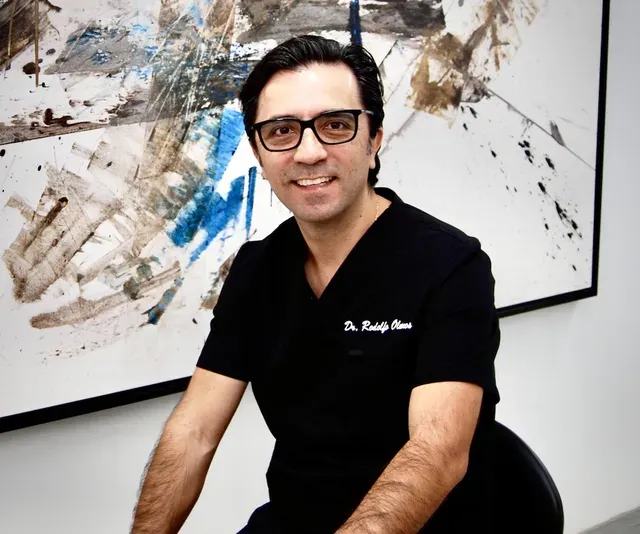
Dr.Rodolfo A Olmos
General and Cosmetic Dentist

Dr. Aileen Smith
General Dentistry

Dr. Maria Suárez
Pediatric Specialist
Dr. Elaine Carr
Orthodontist
Dr. Adriana Maldonado
General and Cosmetic Dentist
Dr.Rodolfo A Olmos
General and Cosmetic Dentist
Dr. Aileen Smith
General Dentistry
Dr. Maria Suárez
Pediatric Specialist
Dr. Elaine Carr
Orthodontist
Dr. Adriana Maldonado
General and Cosmetic Dentist
Dr.Rodolfo A Olmos
General and Cosmetic Dentist
Dr. Aileen Smith
General Dentistry
Dr. Maria Suárez
Pediatric Specialist
Dr. Elaine Carr
Orthodontist
Dr. Adriana Maldonado
General and Cosmetic Dentist
Dr.Rodolfo A Olmos
General and Cosmetic Dentist
Dr. Aileen Smith
General Dentistry
Dr. Maria Suárez
Pediatric Specialist
Dr. Elaine Carr
Orthodontist
Dr. Adriana Maldonado
General and Cosmetic Dentist
Dr.Rodolfo A Olmos
General and Cosmetic Dentist
Dr. Aileen Smith
General Dentistry
Dr. Maria Suárez
Pediatric Specialist
Dr. Elaine Carr
Orthodontist
Dr. Adriana Maldonado
General and Cosmetic Dentist
Dr.Rodolfo A Olmos
General and Cosmetic Dentist
Dr. Aileen Smith
General Dentistry
Dr. Maria Suárez
Pediatric Specialist
Dr. Elaine Carr
Orthodontist
Dr. Adriana Maldonado
General and Cosmetic Dentist
Dr.Rodolfo A Olmos
General and Cosmetic Dentist
Dr. Aileen Smith
General Dentistry
Dr. Maria Suárez
Pediatric Specialist
Dr. Elaine Carr
Orthodontist
Dr. Adriana Maldonado
General and Cosmetic Dentist
Dr.Rodolfo A Olmos
General and Cosmetic Dentist
Dr. Aileen Smith
General Dentistry
Dr. Maria Suárez
Pediatric Specialist
Dr. Elaine Carr
Orthodontist
Dr. Adriana Maldonado
General and Cosmetic Dentist
Dr.Rodolfo A Olmos
General and Cosmetic Dentist
Dr. Aileen Smith
General Dentistry
Dr. Maria Suárez
Pediatric Specialist
Dr. Elaine Carr
Orthodontist
Dr. Adriana Maldonado
General and Cosmetic Dentist
Dr.Rodolfo A Olmos
General and Cosmetic Dentist
Dr. Aileen Smith
General Dentistry
Dr. Maria Suárez
Pediatric Specialist
Dr. Elaine Carr
Orthodontist
Dr. Adriana Maldonado
General and Cosmetic Dentist
Dr.Rodolfo A Olmos
General and Cosmetic Dentist
Dr. Aileen Smith
General Dentistry
Dr. Maria Suárez
Pediatric Specialist
Dr. Elaine Carr
Orthodontist
Dr. Adriana Maldonado
General and Cosmetic Dentist
Dr.Rodolfo A Olmos
General and Cosmetic Dentist
Dr. Aileen Smith
General Dentistry
Dr. Maria Suárez
Pediatric Specialist
Appointment Request
For emergencies, please call us directly at
Appointment Request
For emergencies, please call us directly at
Appointment Request
For emergencies, please call us directly at
What our patients
say about us
"I would just like to say that my experience at OBT dental was amazing. The staff is very attentive and professional."
Nasir M.
"I would just like to say that my experience at OBT dental was amazing. The staff is very attentive and professional."
Nasir M.
"I would just like to say that my experience at OBT dental was amazing. The staff is very attentive and professional."
Nasir M.
"This place has wonderful customer service along with a very helpful and welcoming environment."
Deo R.
"This place has wonderful customer service along with a very helpful and welcoming environment."
Deo R.
"This place has wonderful customer service along with a very helpful and welcoming environment."
Deo R.
"The staff was very friendly and professional."
Jacqueline F.
"The staff was very friendly and professional."
Jacqueline F.
"The staff was very friendly and professional."
Jacqueline F.
“Beautifully designed space and even better service. You can tell they truly care about their patients, and that personal touch makes all the difference.”
Michael Nguyen
“Beautifully designed space and even better service. You can tell they truly care about their patients, and that personal touch makes all the difference.”
Michael Nguyen
“Beautifully designed space and even better service. You can tell they truly care about their patients, and that personal touch makes all the difference.”
Michael Nguyen
Dental health & wellness tips
Expert advice to help you maintain a healthy, beautiful smile.
Notice
Apr 2, 2025
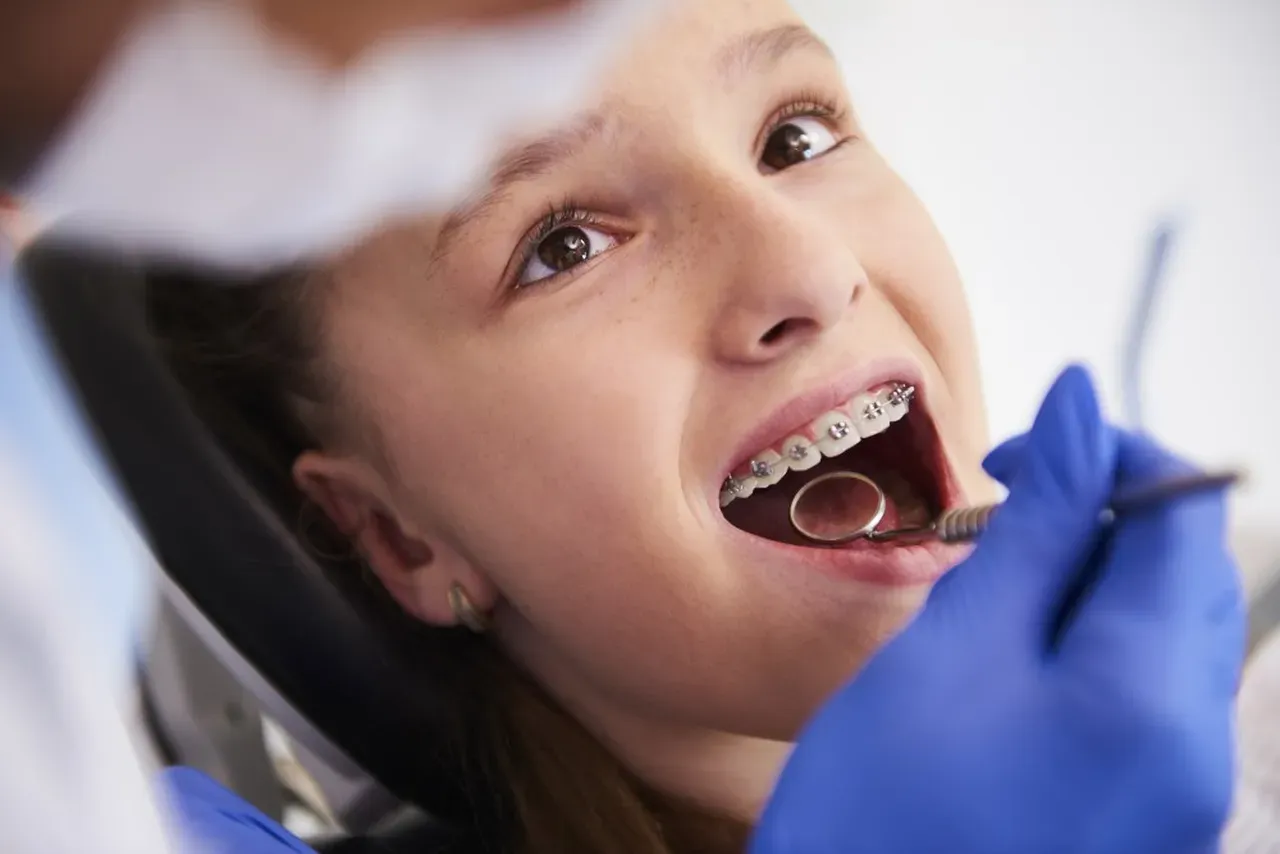
National Align Your Teeth Day — Straighten, Protect, and Perfect Your Smile with Dr. Elaine Carr
Notice
Apr 2, 2025
National Align Your Teeth Day — Straighten, Protect, and Perfect Your Smile with Dr. Elaine Carr

Tips
May 25, 2025
Give Your Child the Best Start to the School Year — Visit Dr. Maria Suarez at OBT Dental & Orthodont
Tips
May 25, 2025
Give Your Child the Best Start to the School Year — Visit Dr. Maria Suarez at OBT Dental & Orthodont

Notice
Feb 27, 2025
❤️ Celebrate National I Love My Dentist Day – June 2nd!
Notice
Feb 27, 2025